

Lung Cancer Asbestos Mesothelioma
The cancer caused by asbestos exposure can affect the abdomen, lungs, and the heart. Mesothelioma is a cancer that is found in the lining around these organs.
The symptoms of mesothelioma be seen over 10 to 50 years, and are similar to those of less serious diseases. This delay in development makes it difficult to identify.
Doctors diagnose lung cancer based on the kind and the structure of the cell. There are two broad categories of cancer: small cell and non-small cell.
Signs and symptoms
Lung cancer asbestos mesothelioma occurs in the linings that protect internal organs, referred to as the mesothelium. It is a cancer that can form in the linings of the heart, abdomen and testicles. From the moment of exposure, it could take a long time before symptoms show up. Asbestos is made up of an assortment of minerals that have microscopic fibers. These fibers can be inhaled, swallowed and adhere to organ linings. Asbestos is usually encountered by workers who is employed in an industry in which it is used as an insulation or building material. Mesothelioma is a serious disease that affects construction workers, asbestos miners, and welding workers. Veterans exposed to asbestos during the military are also at risk of developing the disease.
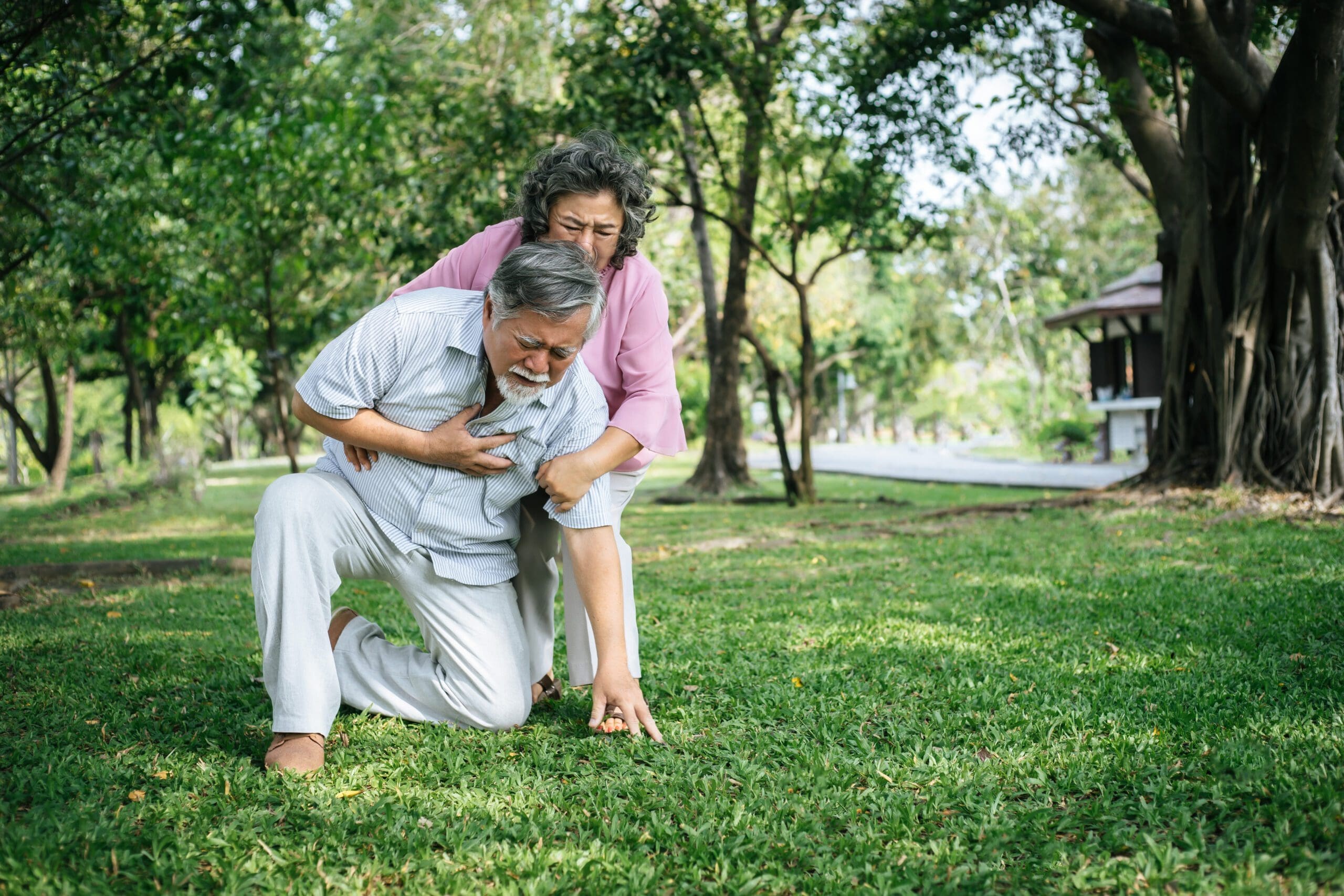
To diagnose mesothelioma, you must first set up an appointment with a doctor. During this appointment doctors will ask patients about any symptoms they're experiencing. They will also check a patient's medical history to determine if they have any medical conditions that could increase the risk of mesothelioma.
If mesothelioma has been suspected, doctors can request chest Xrays and CT scans in order to find any abnormalities. X-rays could reveal calcium deposits in lungs, thickening in the lung lining, or fluid between the lung. A CT scan is a more sophisticated device that takes multiple X-rays and blends them to create images of the inside of the body. It can reveal changes in the structure of the abdomen or lungs and aid in locating the tumor.
A CT scan may also search for signs of mesothelioma in the the chest cavity or peritoneum. It can also be used to determine if the cancer has spread to other regions of the body.
A biopsy is taken to confirm the diagnosis and to determine the stage of mesothelioma. In certain instances, a lung biopsy can be carried out using VATS (video-assisted surgery using thoracoscopic instruments). This involves inserting a tube that contains cameras into the chest cavity. The chest cavity is injected with sterile talcum to cause inflammation. This reduces the size of the cavity and allows doctors to take samples.
Diagnosis
A diagnosis of mesothelioma is made determined by symptoms medical history, as well as laboratory tests. Doctors compare cancerous cells elsewhere in the body to asbestos-related cells found in tissue or fluid samples. If the mesothelioma occurs in the lung, doctors may also examine the lung area using CT scans and FDG-positron emission tomography (PET).
Doctors diagnose pleural mesothelioma by taking a sample from liquid around the lungs or any other area of the chest wall that is affected by mesothelioma. They may also perform a tissue biopsy to test for cancer cells or mesothelioma. A doctor may also order blood tests to determine if a patient has elevated levels of certain chemicals that may indicate mesothelioma.
Both lung cancer and mesothelioma are similar in many respects however, lung cancer is a form of cancer that develops within the lungs, while mesothelioma is a cancer that is a cancer of the lining that surrounds the lung. This distinction means that symptoms and signs of mesothelioma can be misinterpreted as symptoms of other diseases like the flu or pneumonia. Mesothelioma symptoms can take anywhere from to 50 years to appear and patients should report any unusual symptoms.
A mesothelioma expert can help patients determine if their symptoms are caused by asbestos exposure. They can also talk about the symptoms of patients and what kind of tests or procedures they should undergo. They can help patients find a specialist in mesothelioma to aid in diagnosing the disease.
Researchers are working on innovative methods to aid in identifying mesothelioma from other illnesses like identifying asbestos-related proteins in the body, or determining levels of hyaluronic acid within the joints and eyes. These tests can be used to identify the mesothelioma type and predict the way it will respond to treatment.
It is crucial to report any unusual symptoms to a doctor, especially when they are related to mesothelioma or lung cancer. Patients who have a history of asbestos exposure should see their doctor regularly for medical examinations. This will help them identify early signs of mesothelioma and increase the likelihood of receiving treatment to prolong their lives. Contact the Mesothelioma Hope Team today to speak to an experienced Patient Advocate.
Treatment
Treatment options are determined by the kind of lung cancer or mesothelioma that a patient suffers from. Patients should discuss treatment options with their doctor. Many patients prefer to undergo active treatment, which may include chemotherapy, surgery, and radiation therapy, in order to improve their odds of survival. Doctors can also treat mesothelioma by using immunotherapy. This is a new treatment that makes use of targeted drugs in order to target specific cells in the body.
Lung cancer asbestos mesothelioma may be accompanied by a variety of symptoms that make it difficult to identify. Most of the time, the symptoms are similar to those of other respiratory illnesses or heart conditions. If you are experiencing any of these symptoms, it's crucial to consult your doctor immediately.
A doctor can determine if a patient has mesothelioma through a biopsy. The doctor will inject a needle into the skin or make an incision in the chest or abdomen to remove a small amount of tissue. The tissue will be examined under a microscope in order to determine if the tissue is mesothelioma.
Mesothelioma can be classified into two types: epithelioid and sarcomatoid. Epithelioid Mesothelioma is more invasive than sarcomatoid, but has a better prognosis. A thoracoscopic biopsies with direct visualization of pleural tumors can improve diagnostic accuracy by up to 25 percent.
Although mesothelioma as well as lung cancer are both cancers, they are different from each other. Lung cancer can develop inside the lungs, and mesothelioma develops in the lining of organs such as the lungs, heart, and abdomen. Exposure to asbestos can cause both cancers.
Asbestos workers who recently been diagnosed with mesothelioma or lung cancer should think about participating in clinical trials to test new treatments. This could result in better outcomes and a longer period of pain-free living. It is important for patients to discuss their goals and wishes with their physicians. Some patients choose to suffer side effects to improve their chances of survival. Others prefer to be at ease for as long as possible. These decisions should be made in conjunction with a health care team.
Prognosis
Mesothelioma can be described as a cancer that is found in the mesothelium. It is a thin membrane that protects certain organs, such as the lung. It is typically caused by asbestos exposure and takes between 10 and 50 years for symptoms to manifest.
The first step in determining mesothelioma is to obtain the medical history of the patient, including details about asbestos exposure. The doctor will also perform an X-ray of the chest CT scan and an X-ray of the lung area. These tests can reveal changes in the lung's lining and may reveal abnormal thickening or calcium deposits. mesothelioma from asbestos may also assist doctors search for the presence of fluid in the pleural space or the space between the lungs and chest wall.
A doctor will also take an x-ray of the tissues around the lungs in order to test for mesothelioma cell. This is performed by a procedure known as thoracentesis. This can be done by a doctor in an office, hospital or at home. The sample is then examined by a mesothelioma specialist.
Doctors may also order blood tests to determine if there are high levels of mesothelioma that could indicate it. They may also want to look at the lining of the lungs which can be done by a procedure known as video-assisted thoracoscopic surgery (VAT).
Asbestos sufferers should be aware that mesothelioma may occur in other areas of the body other than the lungs. For instance, mesothelioma may affect the abdominal lining and the testicles, as well as the heart. The lining of the heart is also prone to mesothelioma. It is also known as pericardial pericardioma.
Mesothelioma is difficult to identify because it's not as common as lung cancer and it is often mistaken for less serious diseases like the flu or pneumonia. The disease can develop quickly and is difficult for doctors to treat.
Mesothelioma treatments, including chemotherapy, surgery and radiation, can improve the prognosis of patients. Mesothelioma treatment options aren't written in stone however, and those diagnosed with mesothelioma tend to live longer than anticipated.